
Translated by Barbara Epp
Why do we plant forests exclusively in Germany?
Afforestation (planting new forests) is an important tool in the fight against the climate crisis worldwide. But where trees are planted can make the decisive difference between simple greenwashing and truly effective climate protection.
While projects outside Germany, especially in the Global South, often focus on mass and speed, afforestation in Germany scores points for its long-term nature, control, and multiple benefits-ecological, social, and legal. Afforestation projects that are close to home generally allow for better tracking and measurement of the development and impact of the growing forest.
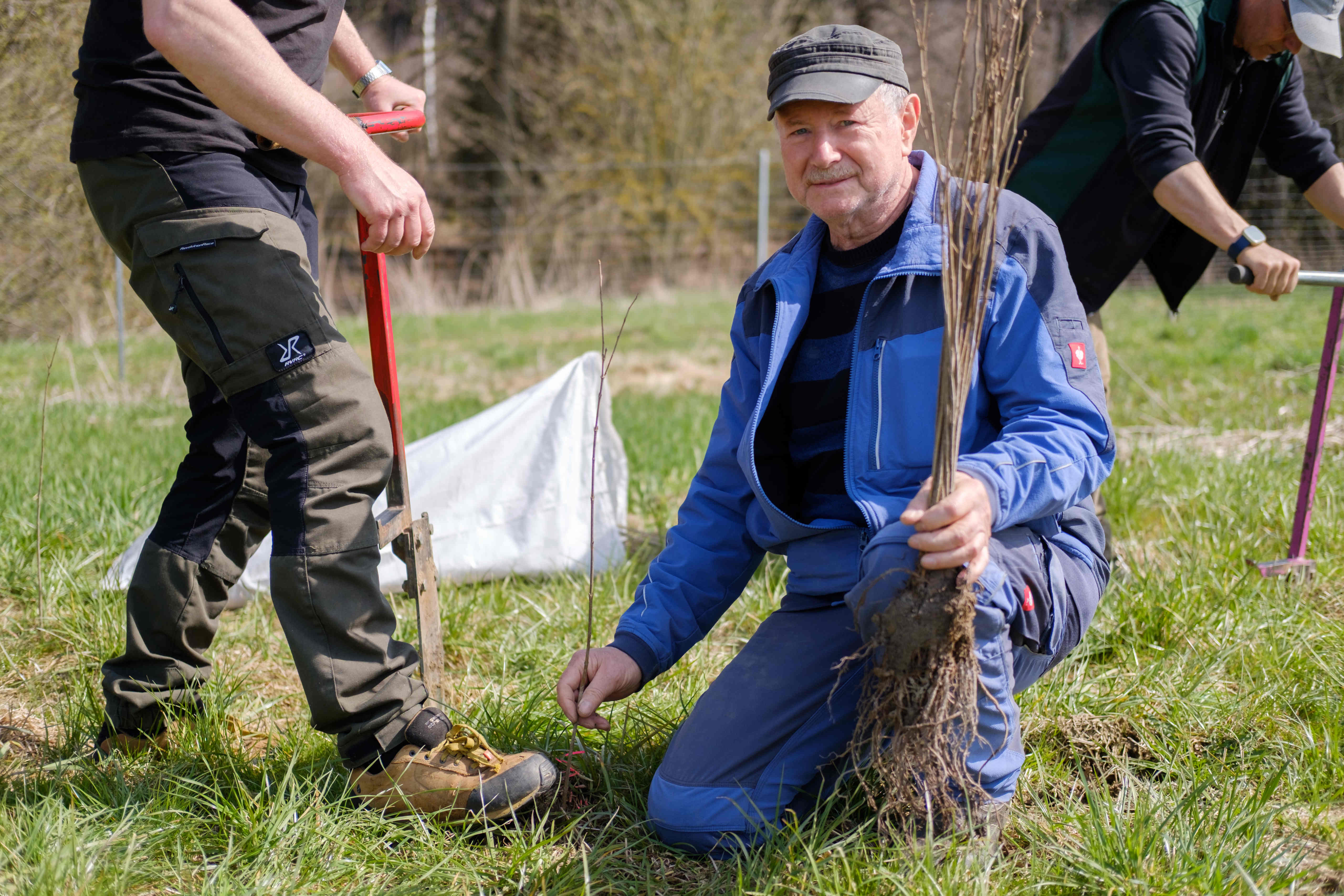
Here are five reasons why afforestation is particularly effective in Germany
Reason 1: Legal protection for lasting impact
In Germany, the Federal Forest Act ensures that newly created forest areas are preserved over the long term. After storms, fires, or clearing, reforesting is legally mandated. This means that afforestation is not a short-term symbolic project, but is permanently secured by law and monitoring. Studies show that legally protected forest areas build up higher carbon stores in the long term and thus contribute to stable climate protection measures.
Reason 2: Effective climate protection that’s measurable
Young, growing mixed forests in Germany bind an average of around 10 tons of CO2 per hectare per year. This effect has been scientifically documented, for example by the Federal Forest Inventory. The inventory provides detailed data on current forest development. This ensures transparent traceability of the climate impact of local afforestation projects and guarantees a measurable, real contribution to climate protection.
Reason 3: Stable, climate-resilient forests instead of fast-growing monocultures
The practice of afforestation in Germany increasingly focuses on native tree species with high genetic and structural diversity. This creates climate-resilient mixed forests with, for example, oak, red beech, larch, and wild apple trees. These mixed forests are more resistant to storms, drought, and pests, and they promote biodiversity. Long-term studies confirm that forests rich in biodiversity are not only more resistant to extreme weather, but also exhibit greater ecological stability and productivity.
Reason 4: Local ecological benefits
Forests in Germany improve soil and water balance, filter air pollutants, and provide habitats for many animal and plant species. Forested areas allow significantly more rainwater to penetrate into the ground than, for example, farmed fields. According to studies, this is around 2.5-4.5 mm/m² per precipitation event. This is roughly twice the amount compared to intensively used farmland and helps to build stores of groundwater and prevent flooding. These landscape and water functions have a direct impact locally - unlike projects on other continents.
In addition, forests contribute significantly to reducing particulate matter pollution. Leaf surfaces bind particles and significantly improve air quality.
Reason 5: Social benefits
Forests in Germany not only serve to protect the climate, but also provide opportunities for recreation, education, and health promotion. In urban areas, they create cooling effects, places of retreat, and a better quality of life. Studies show that spending time in forest areas on a regular basis reduces stress levels, strengthens the immune system, and promotes mental health.
Why we plant forests domestically
Afforestation in Germany means:
- Legal certainty
- Measurable climate benefits
- Stable, climate-resilient forests
- Ecological added value
- Social added value
Afforestation in Germany complements global measures, but is particularly efficient and transparent at the local level. Those who plant here not only ensure CO2 sequestration, but also bring about true, long-term change.
Do you have questions?
Feel free to ask them under our posts on LinkedIn or Instagram!
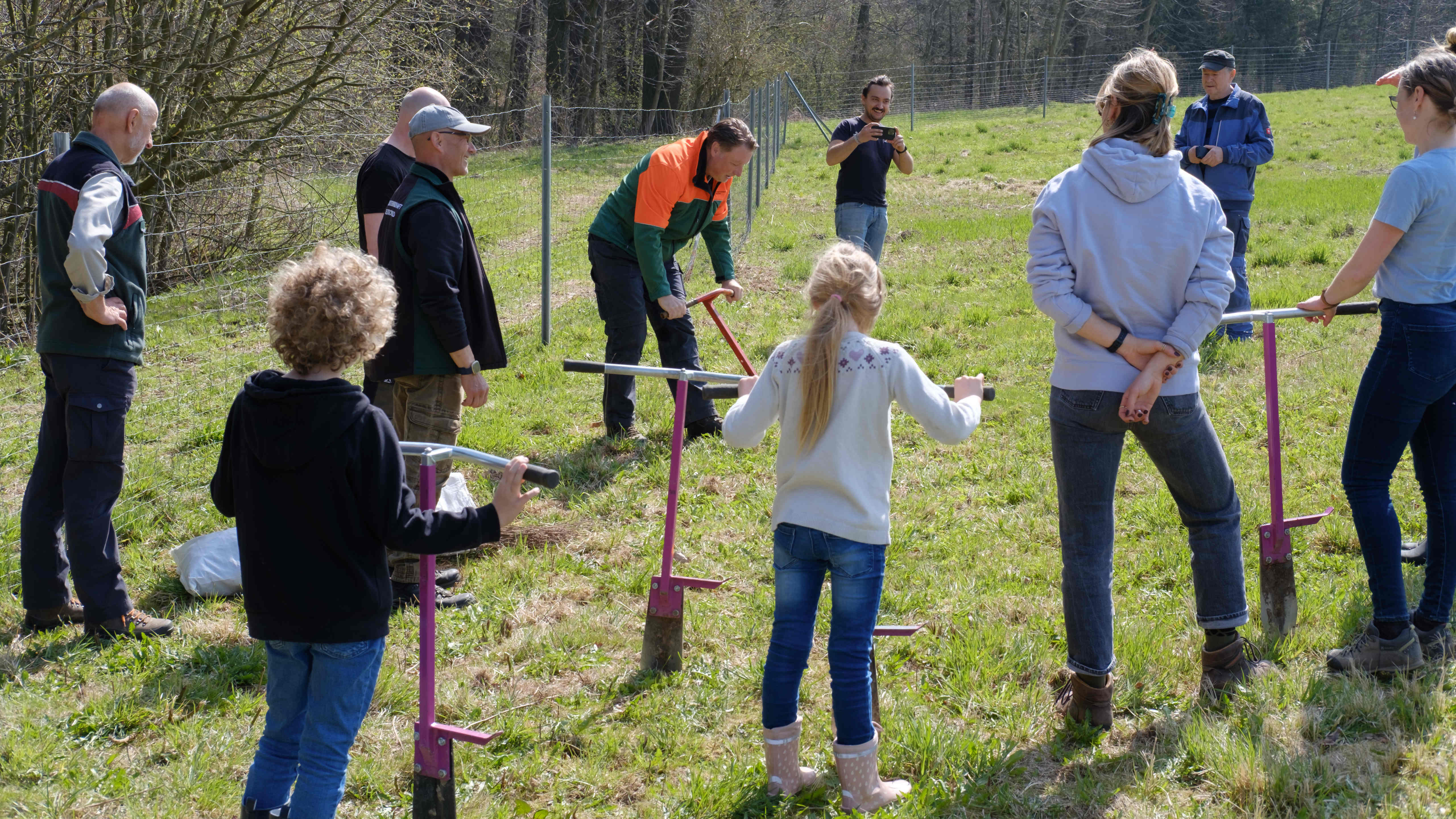
Another great thing about afforestation in Germany is that we can plant the areas together with our community and local people. We can also monitor them ourselves in the long term.